REMINDER: Liturgical Chant is simple. Musicologists like to complicate it. Therefore:
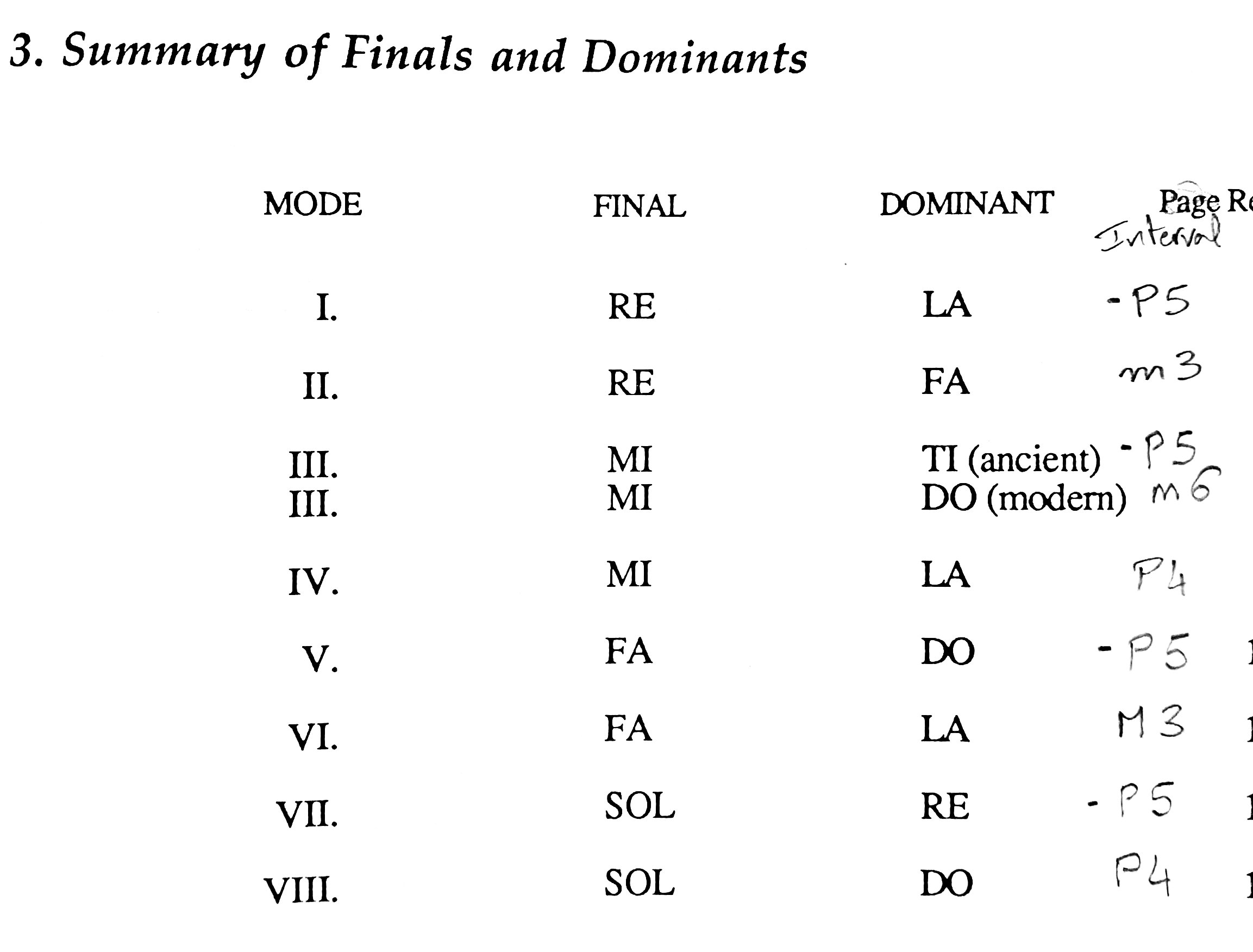
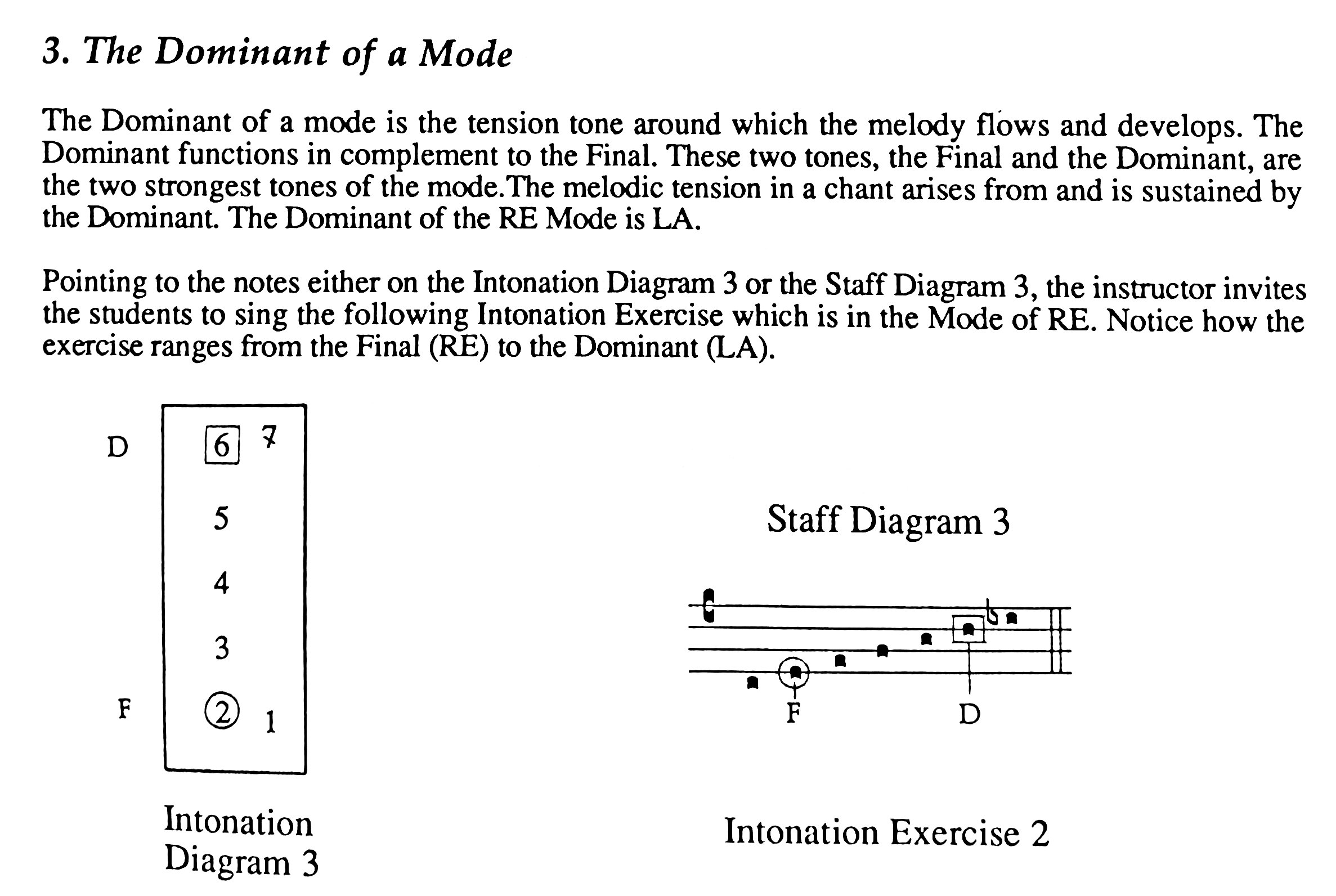
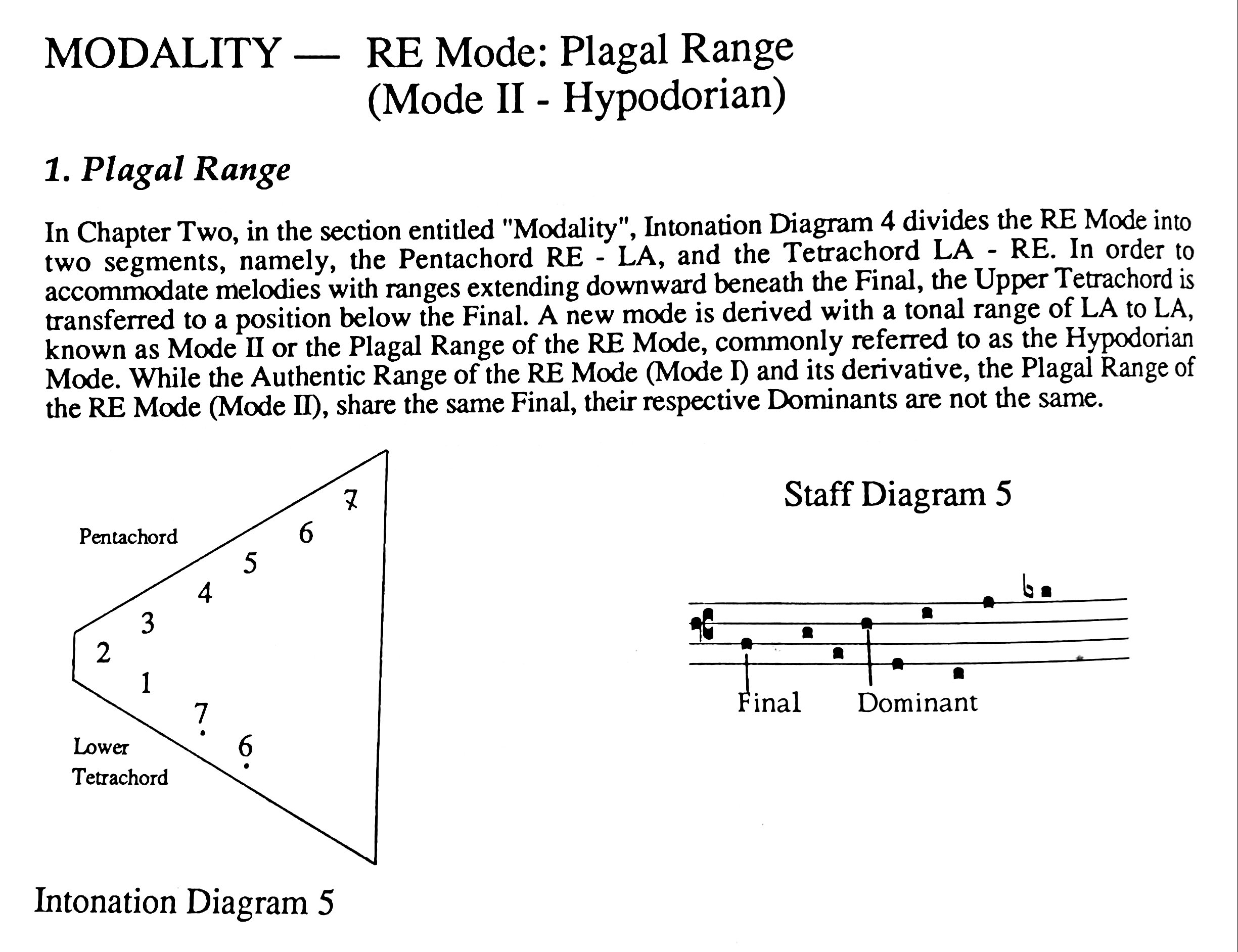
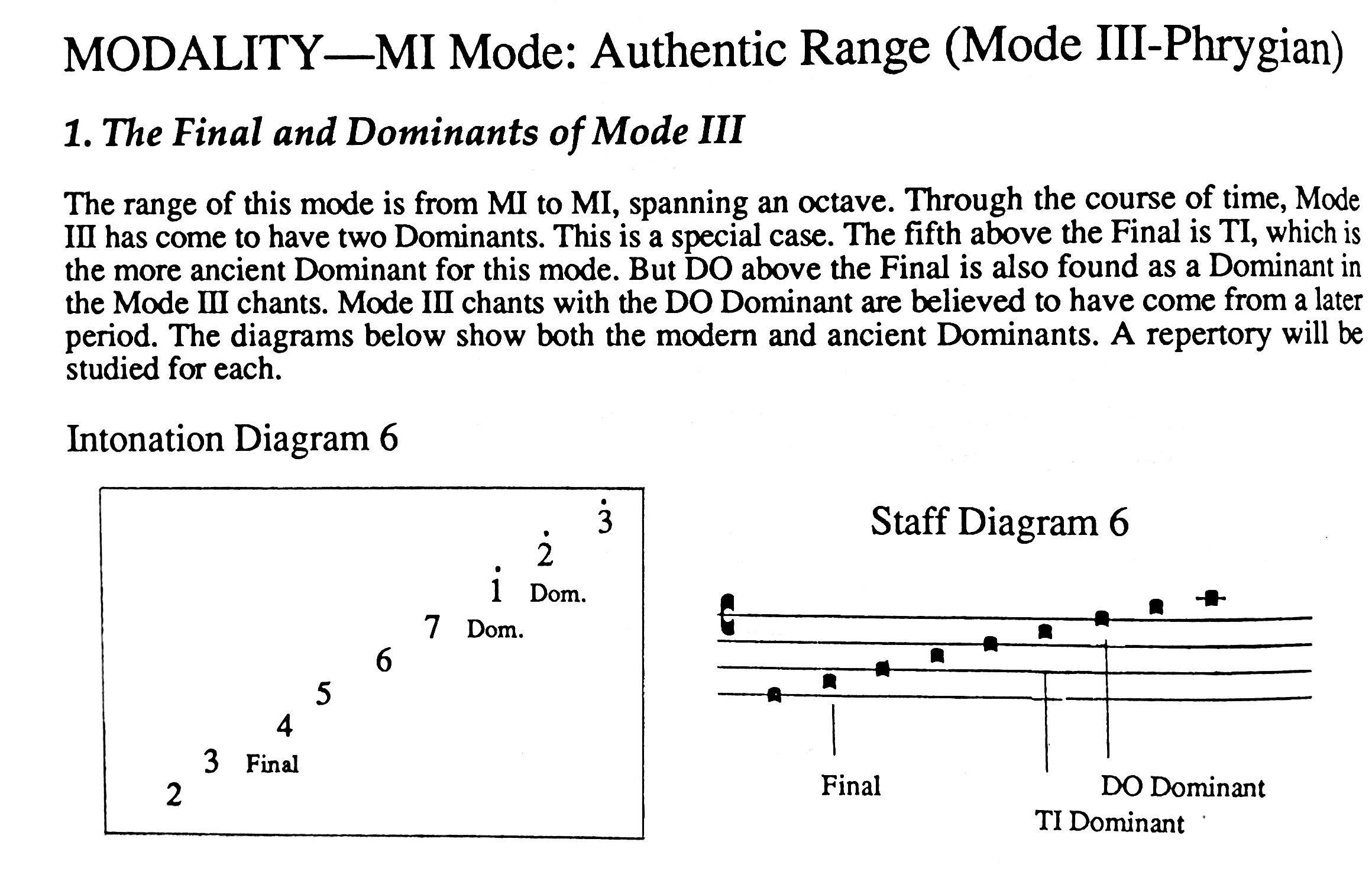
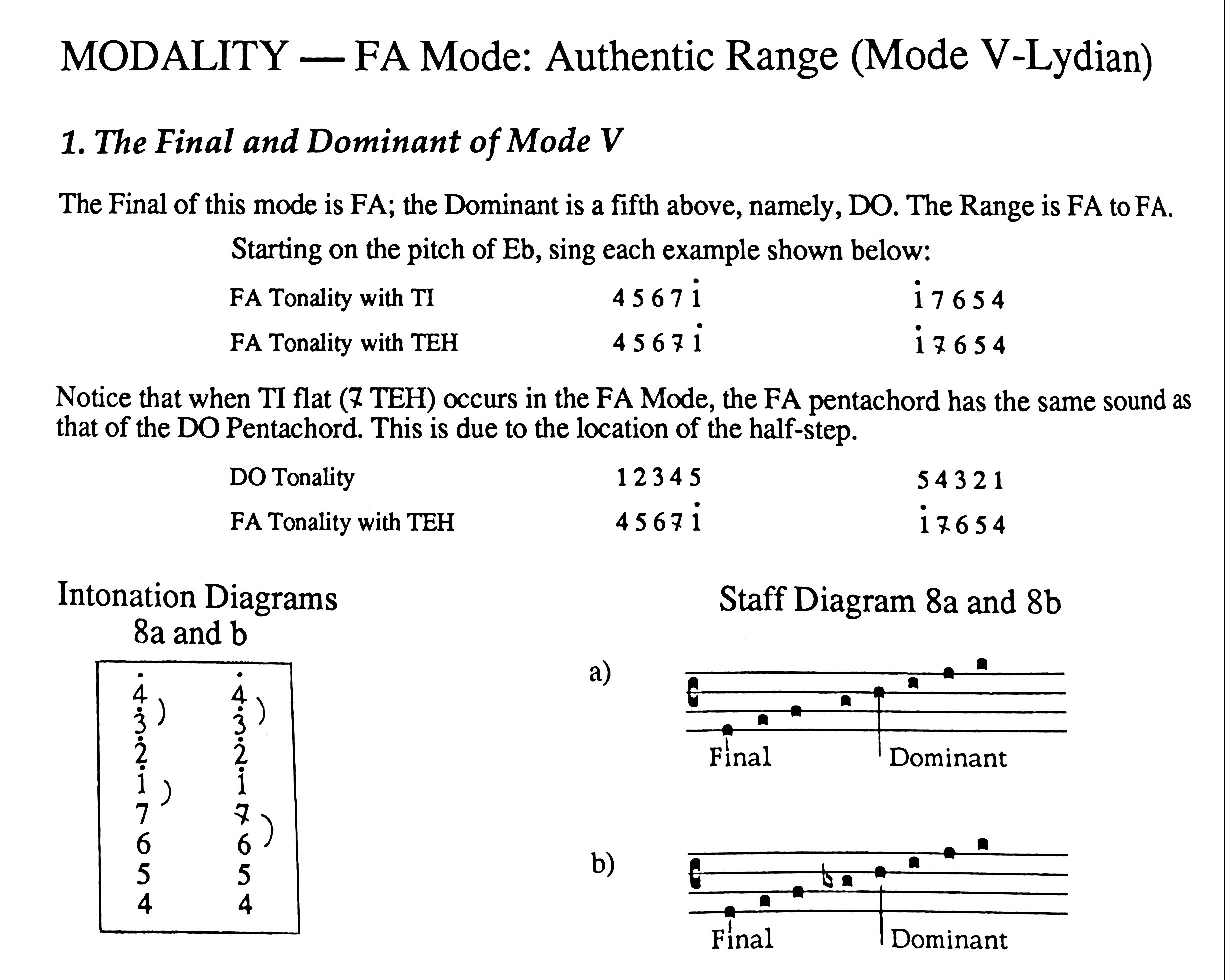
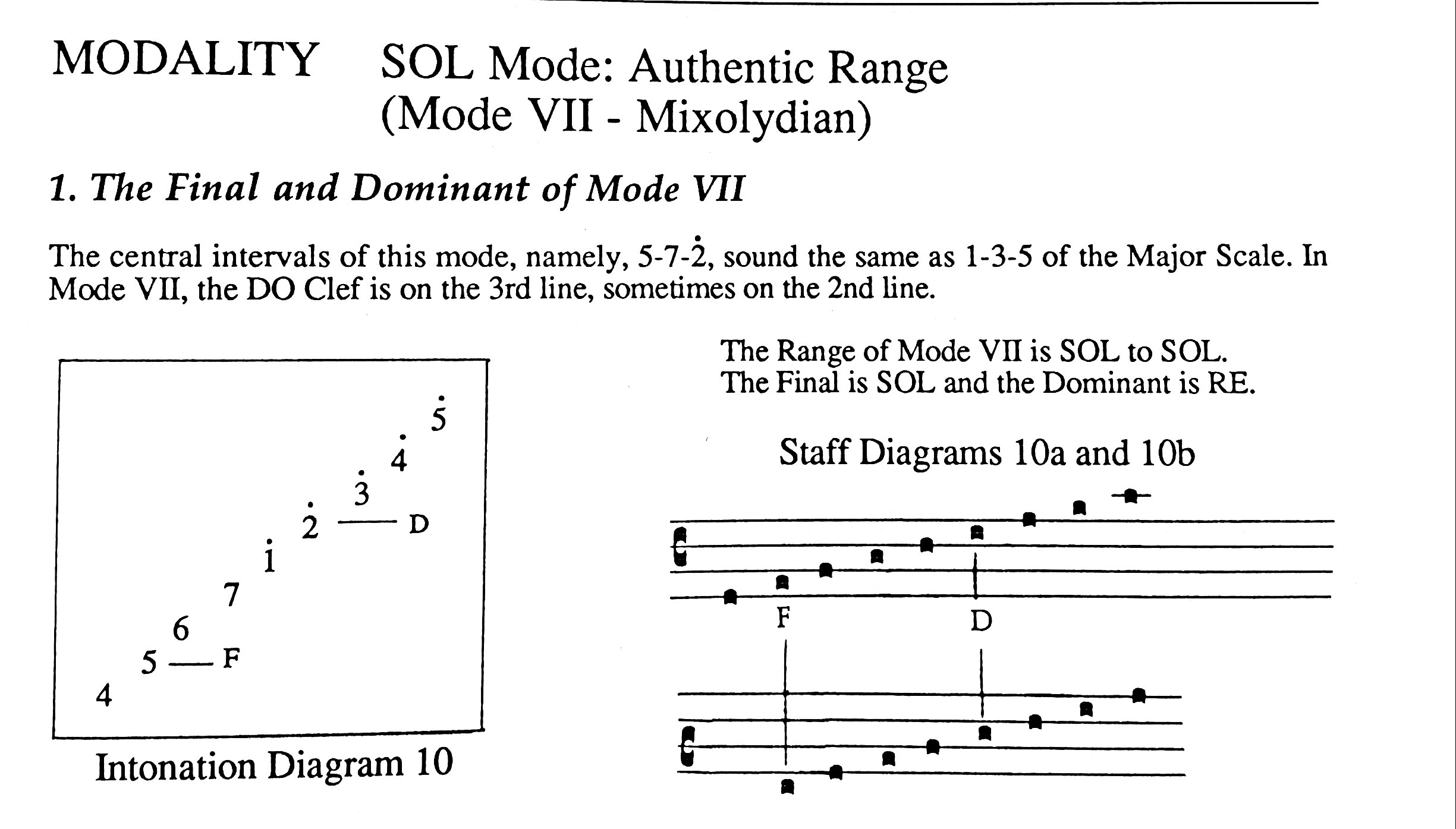
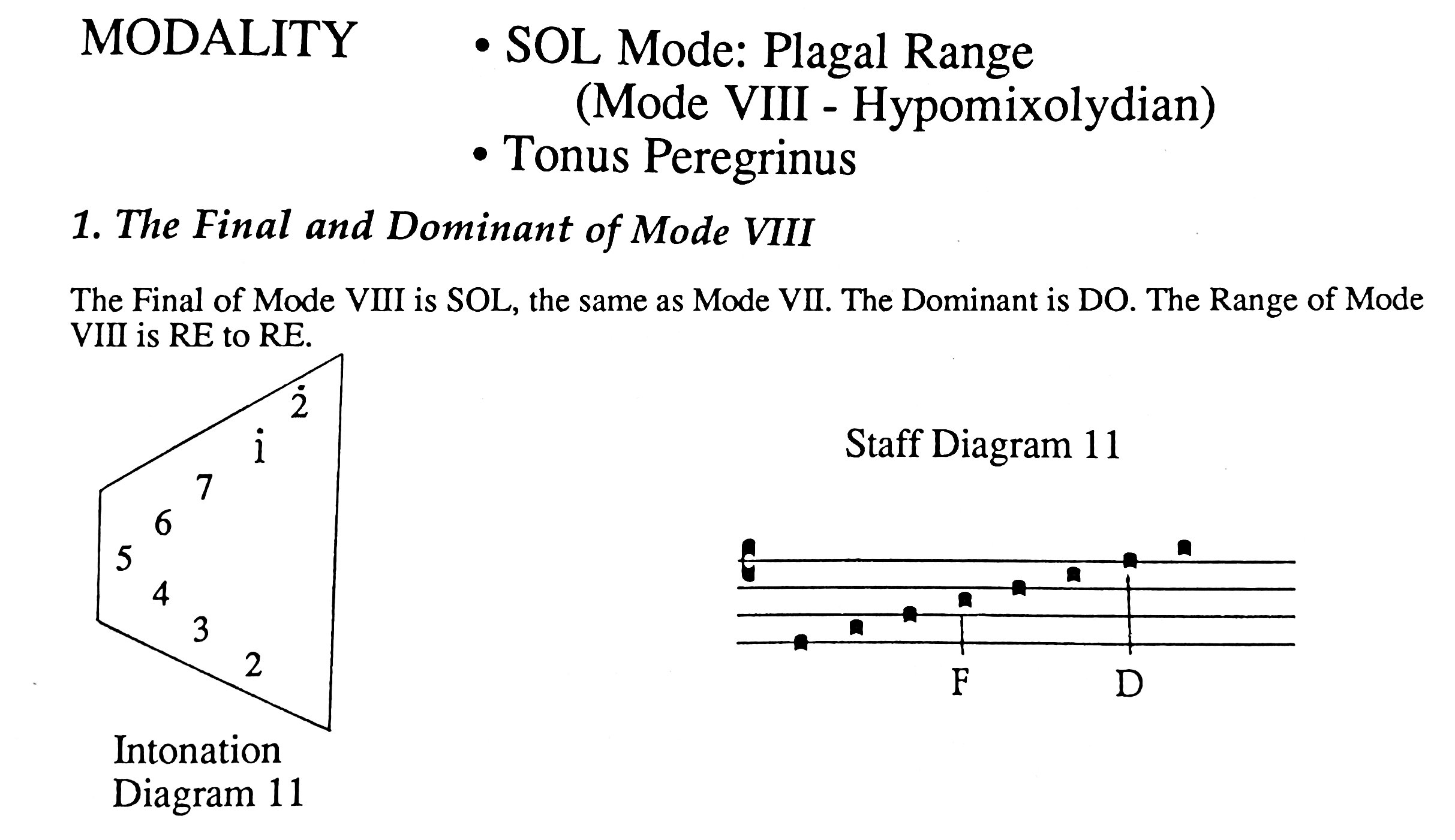
- if your purpose is to learn to read square notes and sight-read, all you need to know is that in each piece of Gregorian Chant, two notes are more important than others: the DOMINANT, and the FINAL. These two notes should be known when you sing, and used as “guardrails”. The “summary of Finals and Dominants” below is all you really need to know.
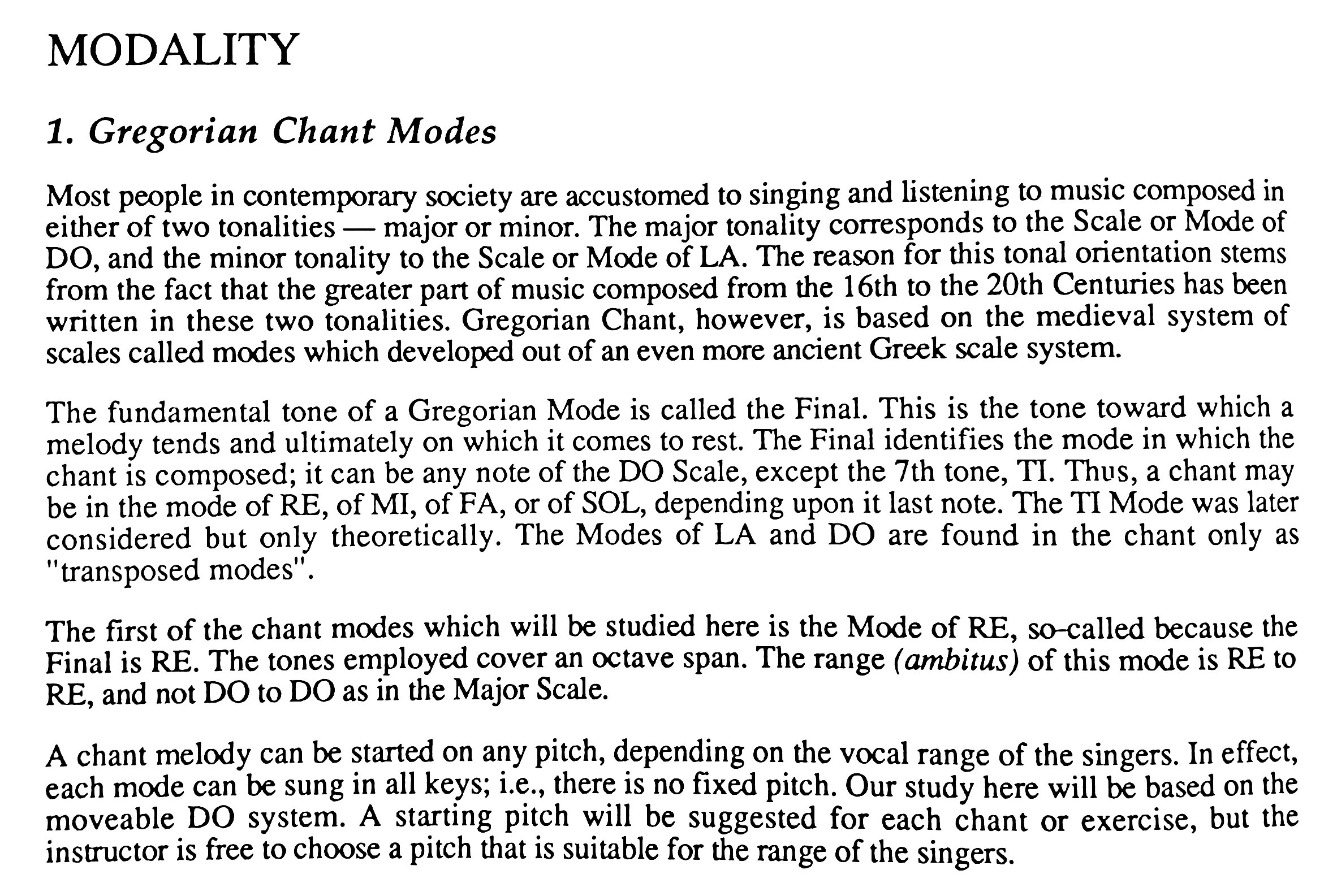
- For more information on modality, read the rest. All the information below is extracted from the “Gregorian Chant Practicum, Ward method” published by the Catholic University of America Press, Washington, DC.
- If you want to delve into how modality was applied to polyphony in the 16th and 17th century, keep scrolling down, or click here and watch the video.
If you wonder about the very purpose of Modal music, and what the difference may be from the music you hear on the radio, please read here:





Modes in the 16th and 17th centuries:
 Long Beach Chant